
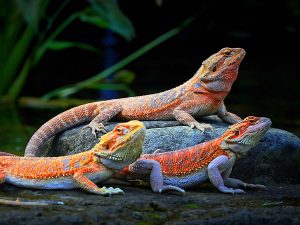
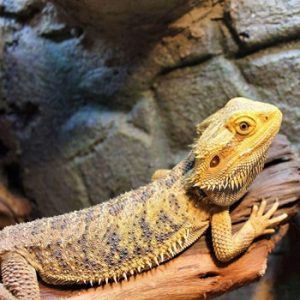
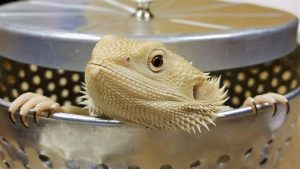
If you’re thinking about bringing your first reptile home, few animals are as rewarding as the bearded dragon. Known for their calm personalities, expressive faces, and fascinating behaviors, these Australian lizards have become one of the most popular reptile pets in the world.
Whether you’re a first-time reptile owner or an experienced hobbyist, bearded dragons offer a unique combination of intelligence, curiosity, and relatively straightforward care. With the proper habitat and daily care, these remarkable reptiles can live 10 to 15 years or even longer, becoming true members of the family.
Bearded dragons (Pogona vitticeps) are native to the arid woodlands, scrublands, and deserts of central Australia. They earned their name from the expandable “beard” beneath their chin, which turns dark and puffs outward when they feel threatened, excited, or are displaying dominance.
Unlike many reptiles that hide most of the day, bearded dragons are active during daylight hours. They enjoy basking under warm lights, exploring their surroundings, climbing branches and rocks, and even watching what their owners are doing outside the enclosure.
Many owners describe them as having surprisingly distinct personalities.
Bearded dragons have earned a reputation as one of the best reptiles for beginners because they are generally:
With regular interaction, many bearded dragons become comfortable sitting on their owner’s shoulder or calmly exploring supervised areas outside their habitat.
A healthy bearded dragon begins with a properly designed enclosure.
Adult dragons require spacious habitats that allow them to move, climb, and thermoregulate naturally. While juveniles can start in smaller enclosures, most adults should eventually have at least a 4-foot-long enclosure, with even larger habitats providing additional enrichment.
A quality habitat should include:
A natural-looking enclosure not only benefits your dragon but also creates an attractive display in your home.
Because bearded dragons are cold-blooded reptiles, they rely on external heat sources to regulate their body temperature.
Every enclosure should include a temperature gradient, allowing the dragon to move between warmer and cooler areas throughout the day.
Typical temperatures include:
Using digital thermometers at both ends of the enclosure helps ensure accurate temperature monitoring.
One of the most critical aspects of bearded dragon care is UVB lighting.
Without proper UVB exposure, bearded dragons cannot effectively produce vitamin D3, which is necessary for calcium absorption. Over time, inadequate UVB lighting can lead to metabolic bone disease, one of the most common health problems seen in captive reptiles.
High-quality UVB lighting should be replaced according to the manufacturer’s recommendations, even if the bulb still appears to produce light.
Providing proper UVB is one of the best investments you can make in your dragon’s long-term health.
Bearded dragons are omnivores, meaning they eat both insects and plant matter.
Young dragons require more protein and typically eat a higher percentage of insects, while adults consume larger amounts of leafy greens and vegetables.
Common foods include:
Calcium and vitamin supplements should be dusted on feeder insects regularly to help maintain healthy bones and muscles.
A bored bearded dragon is often a less healthy bearded dragon.
Adding enrichment encourages natural behaviors while making the enclosure more visually appealing.
Great enrichment ideas include:
Rearranging habitat décor occasionally can also provide new stimulation.
Many first-time owners unintentionally make simple husbandry mistakes.
Some of the most common include:
This is one of the leading causes of health issues in captive dragons.
Baby dragons grow quickly, and cramped habitats limit natural behaviors.
Without proper heat gradients, digestion and immune function can suffer.
Too many insects or too few vegetables can create nutritional imbalances.
Bare enclosures may contribute to stress and inactivity.
Unlike many reptiles, bearded dragons actively engage with their surroundings. They often watch people moving through the room, recognize feeding routines, and seem genuinely curious about their environment.
Many owners describe them as one of the most personable reptiles available.
Their calm nature also makes them excellent educational pets for families willing to learn proper handling and husbandry.
Bearded dragons have earned their reputation as one of the world’s most beloved reptile pets. Their friendly personalities, fascinating behaviors, and manageable care requirements make them an outstanding choice for beginners and experienced keepers alike.
Success begins with providing the right habitat, proper lighting, balanced nutrition, and an enriching environment that encourages natural behaviors.
At The Jade Caravan, we’re passionate about helping reptile enthusiasts build extraordinary habitats. From premium terrariums and reptile décor to lighting, heating equipment, climbing accessories, and habitat essentials, we offer carefully selected products designed to help your bearded dragon live a healthy, active, and fulfilling life.
A well-designed enclosure isn’t just a home—it’s a miniature piece of the Australian outback, brought to life right in your living room.