

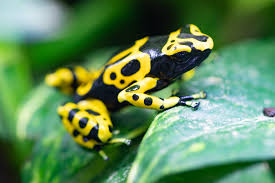


Few exotic pets capture attention quite like dart frogs. With their brilliant colors, fascinating behaviors, and relatively small size, these incredible amphibians have become one of the most sought-after species among terrarium enthusiasts. From electric blues and vibrant yellows to stunning reds and greens, dart frogs transform ordinary enclosures into living works of art.
But despite their small size, dart frogs have specialized habitat requirements that must be met for them to thrive. Fortunately, with the right setup and a little preparation, creating a healthy tropical environment can be one of the most rewarding experiences in exotic pet keeping.
Dart frogs originate from the tropical rainforests of Central and South America. They can be found in countries such as Costa Rica, Panama, Colombia, Ecuador, Peru, Brazil, and Suriname. In the wild, they inhabit warm, humid environments filled with dense vegetation, leaf litter, moss, fallen branches, and abundant moisture.
Many species spend their lives navigating the rainforest floor, climbing among plants, and searching for tiny insects to consume. Their natural habitats are rich in biodiversity and remain consistently humid throughout the year.
Contrary to popular belief, captive-bred dart frogs are not poisonous. Their wild toxicity comes from specific insects they consume in their natural environment. Since captive frogs eat commercially raised insects, they do not develop the toxins found in their wild counterparts.
Dart frogs offer a unique combination of beauty, activity, and manageable care requirements.
Unlike many reptiles that spend large portions of the day hiding, dart frogs are often active and visible. Owners frequently observe them climbing plants, hunting insects, exploring mossy terrain, and interacting with their environment.
Other reasons hobbyists love dart frogs include:
For many keepers, the terrarium itself becomes a living piece of art that enhances the appearance of their home or office.
Creating the right environment is the most important factor in successful dart frog keeping.
A larger enclosure is almost always better.
While a pair of dart frogs may live comfortably in a smaller setup, providing additional space allows for more natural behaviors and more elaborate habitat design.
Popular sizes include:
Vertical space becomes especially important for species that enjoy climbing.
Dart frogs require consistently high humidity levels.
Most species thrive between:
Maintaining proper humidity can be accomplished through:
Monitoring humidity with reliable digital hygrometers is highly recommended.
Dart frogs prefer relatively mild temperatures.
Ideal temperatures generally range between:
Temperatures above 85°F can be dangerous and may quickly lead to stress or health problems.
Unlike many reptiles, dart frogs do not require intense basking lights or high-temperature heat sources.
One of the most exciting aspects of dart frog keeping is creating a lush, living ecosystem.
Live plants provide:
Popular dart frog plants include:
A heavily planted enclosure closely resembles the rainforest environments these frogs call home.
Many dart frog keepers choose bioactive terrariums.
A bioactive setup includes:
Cleanup crews typically include:
These tiny organisms help break down waste materials, improve soil quality, and contribute to a healthier ecosystem overall.
A mature bioactive terrarium can become largely self-sustaining while remaining beautiful year-round.
Dart frogs consume tiny insects.
Common food sources include:
Regular supplementation with calcium and vitamin powders is essential to support healthy growth and prevent nutritional deficiencies.
Feeding schedules vary by species and age, but many keepers feed small amounts daily.
Many first-time dart frog keepers make avoidable mistakes.
Some of the most common include:
Humidity is important, but stagnant air can create mold and bacterial issues.
Many people mistakenly treat dart frogs like reptiles requiring high heat.
Sparse enclosures often cause stress due to lack of security.
Only use dechlorinated or purified water for misting and habitat maintenance.
Too many frogs in a small enclosure can increase territorial disputes and stress.
Unlike many exotic pets that remain hidden for most of the day, dart frogs actively utilize their environment.
Watching them move through moss-covered landscapes, climb bromeliads, hunt insects, and interact with their surroundings provides endless enjoyment.
Their vibrant colors contrast beautifully against natural wood, stone, and tropical plants, creating a living display unlike any traditional aquarium or reptile enclosure.
For hobbyists who appreciate both nature and design, few pets offer the same combination of beauty and fascination.
Dart frogs are among the most captivating exotic pets available today. Their dazzling colors, active personalities, and compatibility with lush tropical terrariums make them a favorite among both beginners and experienced keepers.
By providing proper humidity, stable temperatures, live plants, and a thoughtfully designed habitat, owners can create thriving rainforest ecosystems that showcase these remarkable amphibians at their best.
At The Jade Caravan, we believe every exotic animal deserves an environment that reflects the beauty of its natural world. From premium terrariums and habitat décor to tropical accessories and display solutions, we’re proud to help hobbyists create extraordinary homes for some of nature’s most incredible creatures.