
Few reptiles have earned the admiration and popularity of the ball python. Calm, beautiful, and surprisingly easy to care for, these remarkable snakes have become one of the most recommended reptiles for beginners. Despite outdated myths, ball pythons are gentle animals that, with proper care, can become long-lived companions and fascinating display animals.
Whether you’re considering your first snake or looking to improve your current setup, understanding the unique needs of a ball python is the key to keeping one healthy and thriving.
Ball pythons (Python regius) get their name from a unique defensive behavior. When frightened, they curl tightly into a ball, tucking their head safely into the center rather than striking or fleeing. This calm temperament is one of the reasons they have become one of the world’s most popular pet snakes.
Native to the grasslands, open forests, and savannas of West and Central Africa, ball pythons spend much of their time hidden inside abandoned rodent burrows, termite mounds, or beneath dense vegetation. Re-creating these secure hiding places inside captivity is one of the most important parts of proper husbandry.
Ball pythons are often recommended for first-time snake owners because they are generally:
Unlike highly active snake species, ball pythons tend to be relaxed, making them enjoyable to observe and handle.
Your snake’s habitat is one of the biggest factors in its long-term health.
Adult ball pythons generally thrive in an enclosure measuring at least 4 feet long by 2 feet wide by 2 feet tall. Larger enclosures can work very well when they include plenty of hiding places and visual barriers that help the snake feel secure.
Every enclosure should include:
A cluttered enclosure often makes a ball python feel safer than one with wide-open spaces.
As ectothermic animals, ball pythons depend on external heat to regulate their body temperature.
A proper temperature gradient allows the snake to move between warm and cool areas as needed.
Recommended temperatures include:
Using thermostats with heating equipment is essential to prevent dangerous overheating.
One of the most common mistakes made by new ball python owners is keeping the enclosure too dry.
Ball pythons generally thrive with humidity levels between 55% and 70%, with slightly higher humidity often beneficial during shedding.
Maintaining proper humidity helps:
Moisture-retaining substrates, appropriately sized water bowls, and occasional misting can help maintain ideal conditions.
Several substrates work well for ball pythons.
Popular choices include:
Avoid aromatic woods such as cedar or pine, as their oils may be harmful to reptiles.
Ball pythons are carnivores that consume appropriately sized rodents.
Most captive snakes thrive on frozen-thawed prey, which is generally safer than feeding live rodents.
Typical feeding schedules include:
Prey size should be appropriate for the snake’s body size rather than simply its age.
One characteristic that surprises many new owners is that ball pythons occasionally refuse meals.
This behavior is often completely normal.
Common reasons include:
Healthy adult ball pythons can safely go extended periods without eating, but prolonged fasting accompanied by weight loss should be evaluated by an experienced reptile veterinarian.
Ball pythons generally tolerate handling well once they become accustomed to their environment.
For the best experience:
Over time, many ball pythons become comfortable with regular interaction.
Many husbandry issues are preventable.
Some of the most frequent mistakes include:
Adult snakes benefit from enough room to stretch, explore, and thermoregulate.
Dry environments often lead to incomplete sheds and unnecessary health issues.
Without proper heat gradients, digestion and immune function may suffer.
Ball pythons are secretive animals that rely on secure hiding spots to feel safe.
Allowing your snake plenty of quiet time helps reduce stress, especially after bringing it home.
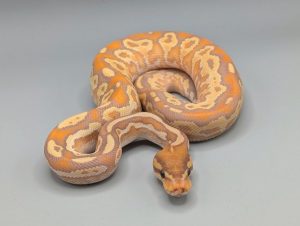
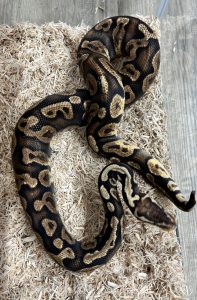
One reason ball pythons remain so popular is the incredible diversity of captive-bred color and pattern morphs.
Today, breeders have developed hundreds of unique combinations featuring:
Each morph has its own unique appearance, making every snake feel like a one-of-a-kind living masterpiece.
Ball pythons have earned their place as one of the most beloved reptiles in the world. Their gentle temperament, manageable care requirements, and extraordinary beauty make them an outstanding choice for both beginners and experienced reptile keepers.
Success begins with understanding their natural behaviors and providing a secure, properly heated, and humidity-controlled environment that allows them to thrive.
At The Jade Caravan, we believe every reptile deserves a habitat that reflects its natural world. From premium terrariums and habitat décor to heating equipment, climbing accessories, hides, substrates, and reptile supplies, we carefully select products that help snake owners create beautiful, functional environments for their animals.
A healthy ball python isn’t just a pet—it’s a remarkable ambassador for one of nature’s most fascinating reptiles.